

Japa January
‘How must I start?’ To do japa is the way to perform japa yoga. What happened to that holiday maker who waited on the seashore for the waves to subside so that he may take his bath comfortably? Don’t waste your time in vain on the shores of life; get into the ocean of bliss and be refreshed.”
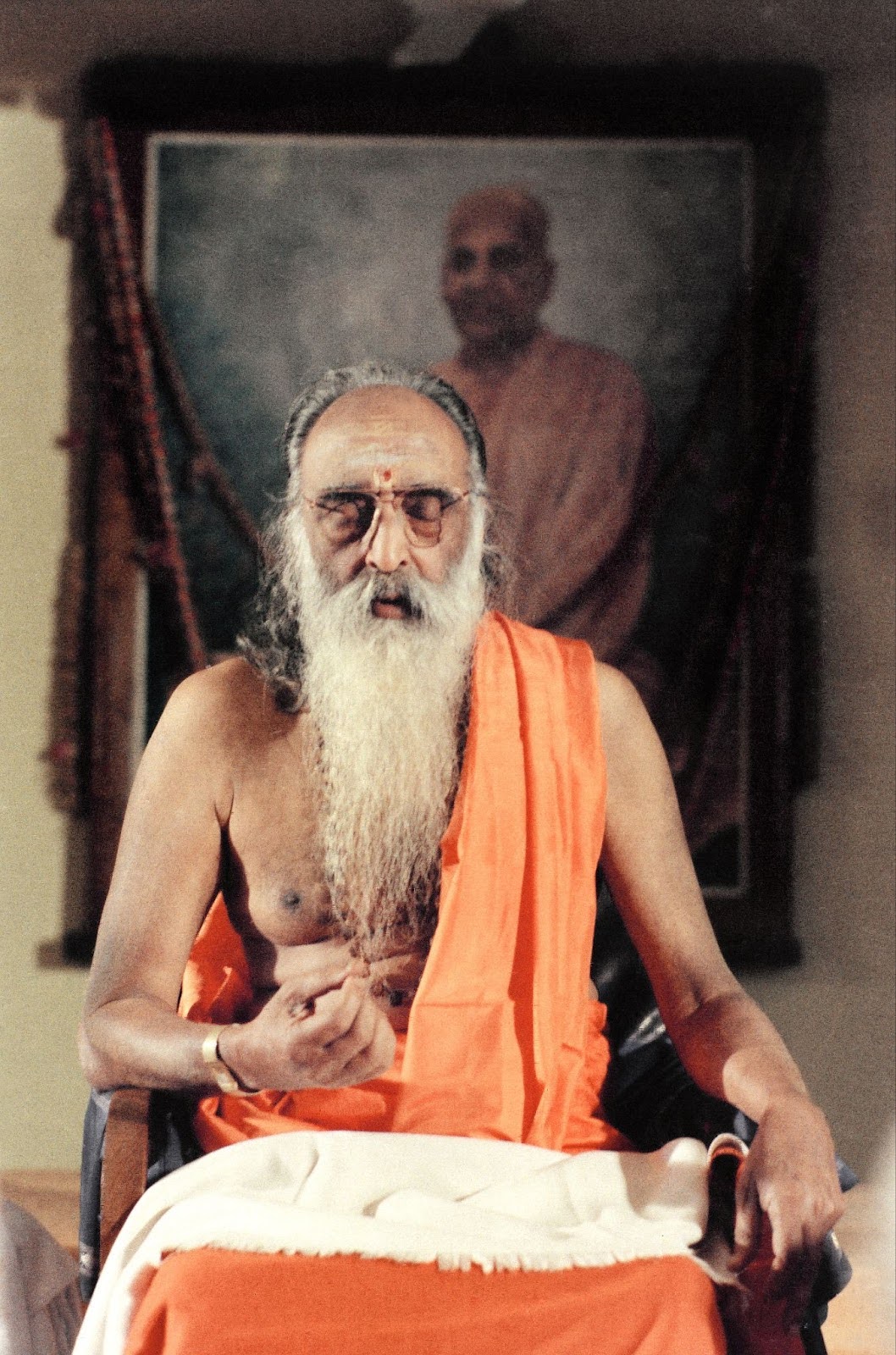
– Swami Chinmayananda
Japa yoga is a method of mental training by which the ever dancing rays of the mind are compelled to behave in order and rhythm.”
– Swami Chinmayananda
Table of Contents
1. How do we do Japa?
2. Rules of the Challenge
3. Story of the Man and his Axe
4. Highlights from the Month
5. FAQs
6. Tips for Japa
7. Testimonials
8. Further Reading
How do we do Japa?
Here we detail the 10 step process to do japa.
1. Start with 3 OMs
2. Take a saṅkalpa not to open the eyes until the japa is complete.
3. Relax the body and do a body scan from feet to the tip of the head.
4. Watch the breath and inhale all the good, positive things and exhale negative things / thoughts.
5. Invoke Guru and Bhagavān and seek blessings
गुरुर्ब्रह्मा गुरुर्विष्णुः गुरुर्देवो महेश्वरः ।
गुरुरेव परं ब्रह्म तस्मै श्री गुरवे नमः॥
gurur-brahmā gurur-viṣṇuḥ gurur-devo maheśvaraḥ ।
gurur-eva paraṁ brahma tasmai śrigurave namaḥ ॥
6. Chant the dhyāna śloka of the Iṣṭa Devatā. For a list of dhyāna ślokas, please refer here. If you do not find it there, chant any dhyāna śloka that corresponds to your Iṣṭa Devatā.
7. Chant the mantra at least 108 times. For a list of mantras, please refer here.
8. After chanting the mantra for the set number, contemplate on it in silence.
9. When you are ready, chant:
Om (3x)
Śāntiḥ Śāntiḥ Śāntiḥ
Hariḥ Om Śrigurubhyo Namaḥ Hariḥ Om
10. Bless yourself. Slowly rub your palms together creating heat and put them over your eyes. Put them over your head and bless yourself then to your neck, shoulders, arms,chest, back, legs. Slowly blinking, open your eyes. Keep your hands in namaskāraḥ position and thank all the ṛṣis who gave us this mantra.
Rules of the Challenge
- Everyone MUST wake up by 6 am at the latest every day throughout January
- Everyone should take a shower, freshen up, and do at least 20 minutes of Japa on Gayatri or their Iṣṭa Devatā
- As prāyaścitta, if anyone misses, please write 108 times likhita japa of your chosen mantra and share with the group.
- Additionally, every week, individuals will be assigned dates on which they should post an inspiring quote for the group before 6 am (local time).
Story of the Man and his Axe
Reflect on the following story to understand the true value and power that japa holds.
There was once a man, who was trying to chop down a tree. The only tool he had was his blunt axe and so he spent the whole day chopping and was only able to chop down a single tree. His friends said, “Oh, you’re such a fool! Why didn’t you just sharpen that axe?” The next day, he sharpened the axe and he chopped the tree in less than twenty minutes!
So, who is the biggest fool? The biggest fool is the one who doesn’t do japa and says let me work with my dull mind. Let me be inefficient, be unproductive, and waste so much time to accomplish my tasks. However, when we do japa and sharpen our mind, we will be the most efficient ever!
Highlights from the Month









FAQs
It is difficult to wake up in the morning. What can I do?
- Make sure that you are going to bed on time (and early enough). If you go to bed too late, you are setting yourself up for failure! Most of us need at least 7-8 hours of sleep, so you must plan ahead for that. Then, in the morning do not let physical discomfort dissuade you. Right now, we are in the colder months of the year, so you must push past this discomfort and get out of bed. Keep a meditation blanket if you need to keep yourself warm.
- One other thing to remind yourself of is you are doing this for your Iṣta-devatā. So remind yourself of how much you love your Iṣta-devatā! Ask yourself: am I so selfish that I cannot get up for Bhagavān, Guru, and my Iṣta-devatā?
Why do we say the mind is quietest in the morning?
Tiredness of the mind comes from viṣaya-viṣayī (mind and object) interactions. In deep sleep, the mind is not interacting with anything and is at complete rest. In this time, the mind is able to heal and refresh and recharge itself. Thus, when you wake up in the morning you have a fresh mind that is ready to take in new experiences. If we take this moment to perform japa, we are taking advantage of the quietness of the mind and helping sharpen it before it begins interactions with the world.
My mind wanders after the first number of beads. What do I do?
Firstly, this is totally okay. Accept that this is where you are on your journey and that through practice you will grow. As you practice more, the number of beads will increase before you get distracted. Vairāgya and abhyāsa are the two traits needed to control the mind. Vairāgya, in this context, refers to convincing the mind that nothing else matters right now. Abhyāsa means that I am going to stick to this practice no matter what happens or how hard it gets. A strong and pure japa practice will take years!
Who are some icons or role models I can look to for performing early morning sādhanā and japa?
We can look at many mahātmās. Of them, we can focus on Swami Sivananda, Pujya Gurudev, and Swami Tapovan Maharaj. Often, we tend to think of what they did after they became much deeper in their practice; however, when we observe them in their earlier stages of being a sadhaka, they did a lot of japa!
Pujya Swami Tapovanam chanted the name of Bhagavān and merged into the nameless
Pujya Swami Sivananda chanted the name of Bhagavān and had sākṣāt darśana
Pujya Swami Chinmayananda sat in Badrinath and chanted the name of Bhagavān for 600,000 times – 100 malas per day.
We are blessed to be part of such a glorious Guru Paramparā!
We should ask ourselves, what can we do for Bhagavān?
This whole month has been focused on external motivation through prāyaścitta. How do we turn that into intrinsic motivation? How do we keep ourselves going into the future?
Long-term we have to push ourselves. The Bhagavad-gītā says (“lift yourself by yourself” – “uddharedātmanātmānaṃ…”, BG 6.5), and so we must lift ourselves up. It is true that the CHYK and Chinmaya community are there for all of us throughout this spiritual journey, but truly the community is there to teach you to be independent. You will fail and that is okay! Pick yourself up and start over again. Eventually, you’ll reach a state where you’ll be steady. With practice, you’ll be able to do it!
Tips for Japa
- Make japa a part of your daily routine
- Do japa in the same place everyday. Set up an altar with your iṣta-devatā and make sure to do this in the same place and time everyday
- Remind yourself why you are doing this practice
- Motivate yourself by looking at how our Guru-paramparā has exemplified this practice
- Over time, you’ll begin to notice your own progress and it will get easier.
Testimonials
“Chanting at such a regular time consistently is new for me and comes with challenges. Sometimes I’m cranky because it is so early. But the important part at my novice stage is to show up and do it anyway, even if the quality of Japa is not so good. In this way, I thought of this practice like an ocean buoy: fastened down in one place consistently amid crashing waves and sometimes a storm. Being fastened to the stable ocean floor, like a buoy, my Japa practice can also feel the contrast when the tides are calm or agitated. The rope that fastens it is taut or loose.”
“I have only woken up properly 1 time to do Japa so far, and have had to do prayascitta nearly every day. I recognize, though, that to wake up by 6am to do japa for me requires not just peace the night before, but a change in behavior during waking hours to carry the peace to wake up the next day. It means disciplining my schedule, eating nutritiously at the right times, drinking plenty of water, less time on smartphone, more time being present and investing in that presence. These moves have helped me find more peace.”
 CHYK West | Youth wing of Chinmaya Mission centers of North America